
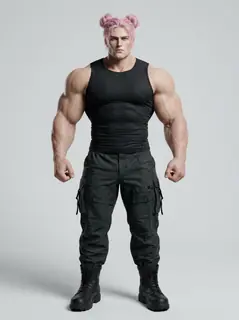
Your photo is where the story starts
This is an effect preview. You can check progress and watch your finished video in My Videos.
Use this templateLoading…
LISA Tarantino AI Video
Restoring draft…
- Estimated time
- 5–15 minutes
- Credit cost
- Loading…
Credits are automatically returned if generation fails due to a technical problem.
Your finished MP4 will be saved in My Videos, where you can play and download it.
Loading…
Use photos and likenesses you have permission to use.
Try More Viral Videos
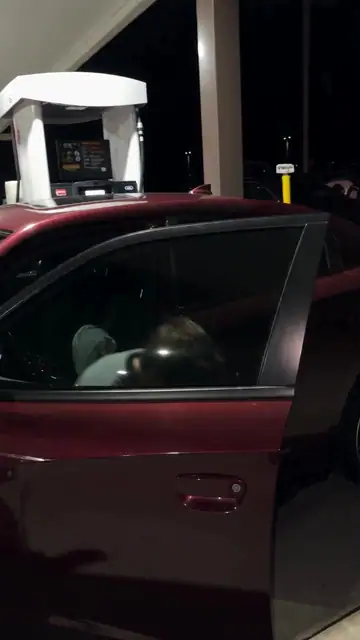
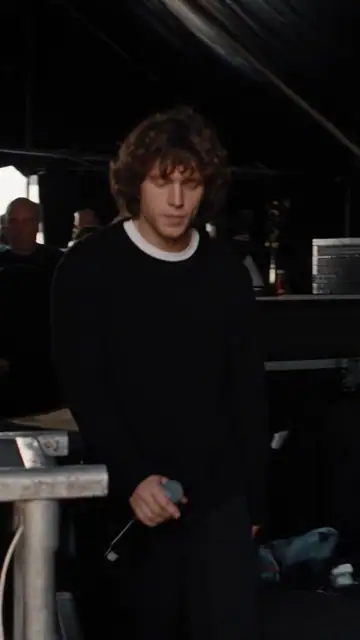
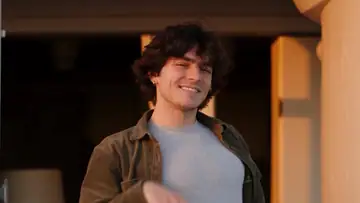
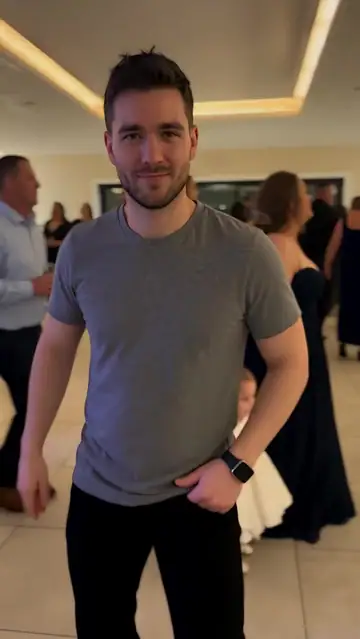
What is LISA Tarantino AI?
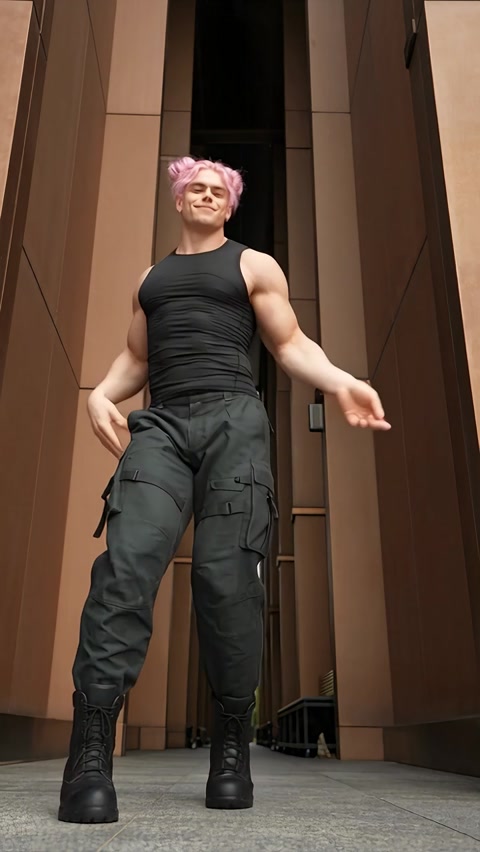
Turn one person photo into a solo dance in front of brown geometric columns. Raised arms, wrist waves, knee lifts, a side lean, a back arch and a short turn follow the supplied routine. The source is about 14.5 seconds; this template generates a 15-second vertical video with the original soundtrack.
- What your photos control
- Your uploaded photo guides the only dancer throughout the routine: face, hair, build, visible clothes and accessories. The preview is a supplied generated example using the photo shown here. The original reference’s orange hairstyle, sunglasses and flame shirt are not required.
- Movement and background
- AI generates a new clip from the example’s routine and setting. Backgrounds, camera movement, expressions and occlusion may vary; frame-for-frame matching is not guaranteed.
Photo to video: a paired example
Compare the input photos with their corresponding video to assess the subject’s appearance and movement.
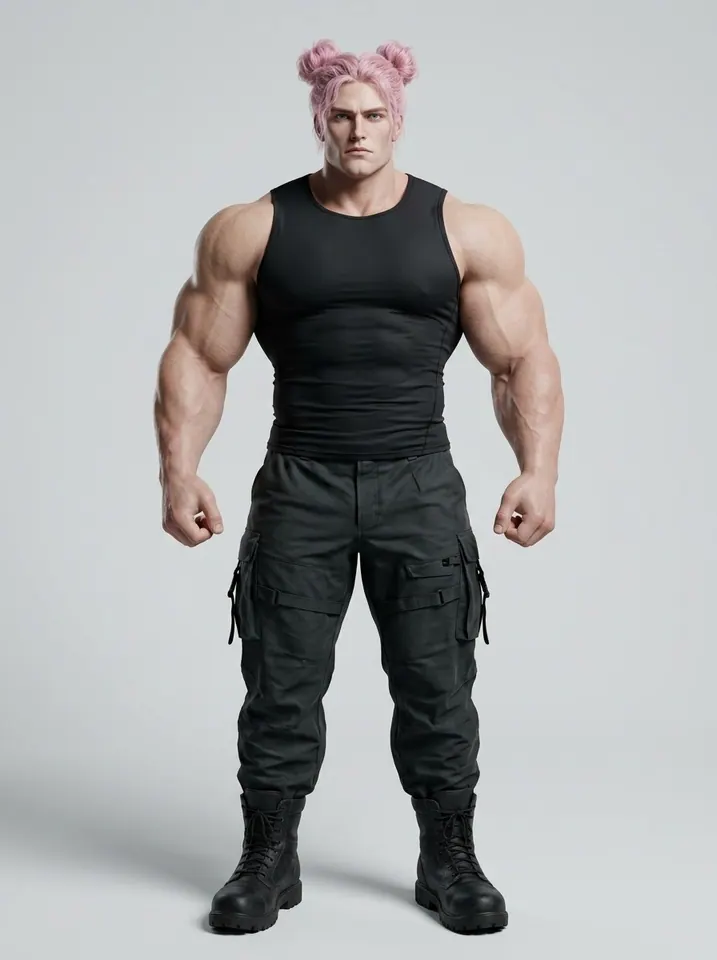
What happens in this video?
Three frames from this template’s showcase explain the scene and performance.
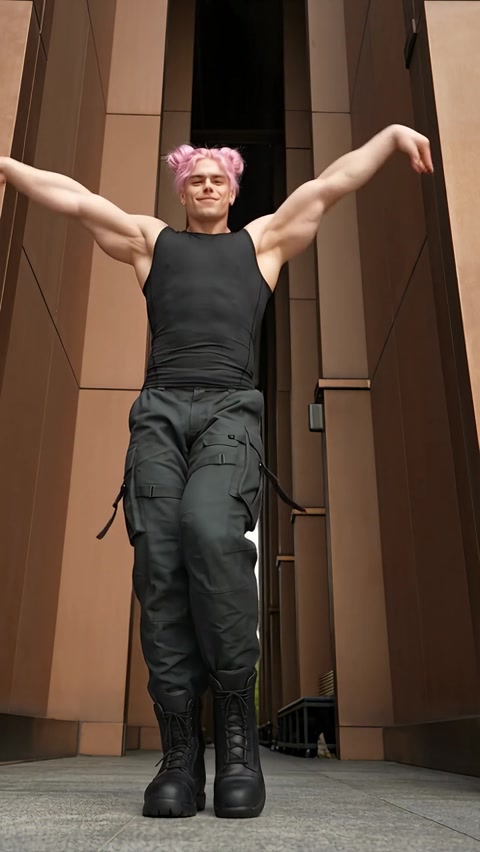
01 · Opening Open the arms and catch the beat
The dancer moves from a bent arm above the head to a wide arm opening and chest-level gestures, with small knee bounces.
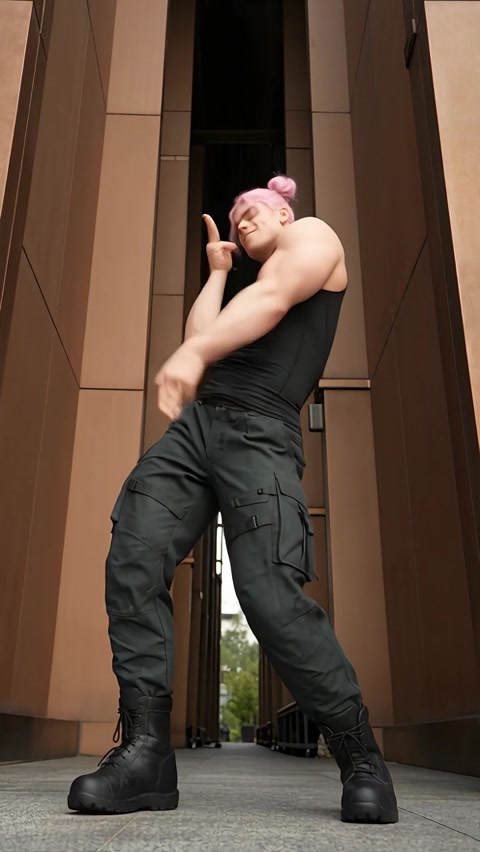
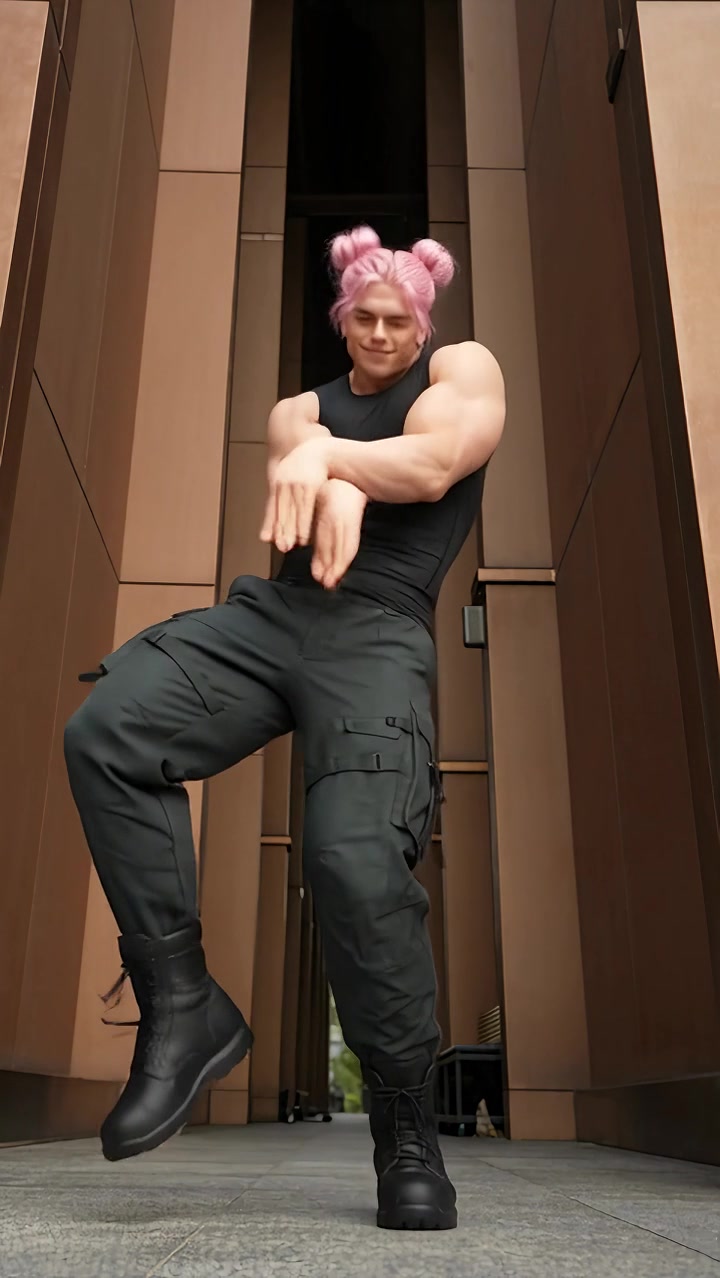
02 · Middle Wave, lift a knee and lean back
Crossing forearms and wrist waves flow around the head as the knees lift, the hips shift and the torso briefly leans back.
03 · Later Turn and finish facing forward
A short diagonal turn sends both arms forward, then the dancer returns to the front and closes the routine with small steps.
How to get a better result
Recommended photos
- Use a sharp, well-lit photo of one person, with a clearly visible face and natural proportions
- A full-body standing photo gives the AI more information about the arms, trousers and shoes used in the dance
- Even lighting and clear detail
- A subject outline distinct from the background
Try to avoid
- Collages, chat interfaces or watermarked screenshots
- Group photos, sunglasses hiding the eyes, heavy filters and cropped or covered faces
- Face-only crops, cut-off arms or feet, and tiny distant subjects with little clothing detail
- Blur, darkness or heavy filters
If the result needs improvement
- The appearance looks different
- Choose a sharper, front-facing image without sunglasses, heavy filters or hair covering the face. The dancer briefly covers part of the face and leans back; identity can drift in these moments. There is no manual face-repair tool.
- Limbs or props connect awkwardly
- Show the torso, arms, legs and shoes in the reference. The routine combines crossed arms, knee lifts and a back lean, so a face-only crop leaves much of the body to be invented. Hand and joint errors can still occur.
- Roles or positions get mixed up
- There is only one dancer and one photo slot. Use a single-person picture. The turn and temporary face coverage should keep the same person and outfit; a new face after these movements is a generation inconsistency, not a second role.
- The movement or performance differs
- The AI recreates the dancer and scene from the photo and depth motion reference. Hands crossing the face, the back lean and the turn can change facial details, clothing or anatomy. This is the specific routine shown in the preview, with a fixed low camera; exact likeness and frame-for-frame motion are not guaranteed.
- The task reports a generation failure
- Check the task status in My Videos first. Technical failures return deducted credits automatically; a successful video that does not meet personal expectations is a different situation. Each new generation costs credits, so review the refund policy before retrying.
How to Make a LISA Tarantino AI Video
- Step 01
Upload your photos
Choose a clear photo of one person.
- Step 02
Generate your video
Choose 480p / 720p / 1080p, confirm the credits, and submit. The current output is 15 seconds in 9:16. You can leave the page while it processes, then check My Videos when ready.
- Step 03
Download and share
When ready, play and download the MP4 from My Videos and save a copy to your device.
My Videos
FAQ
How many photos do I need, and what should they show?
Upload one photo with one person and a clearly visible face. Choose good lighting and a sharp image. A full-body standing photo is recommended because the routine uses wide arm gestures, knee lifts and visible footwork. Avoid group shots and covered faces.
Is this the exact dance in the preview, or a LISA music video remake?
This template follows the supplied solo dance in front of brown geometric columns, with a fixed low camera. The name identifies this effect; it does not automatically change your face into LISA or add movie scenes. It uses the approximately 14.5-second routine for a 15-second output.
Will it keep my own outfit and hairstyle?
The photo guides your hair, build, visible clothes and accessories. You do not need the original reference’s orange hair, sunglasses, flame shirt, shorts or striped socks. Show the outfit you want to reference; areas outside the photo must be inferred and may vary.
Does it include sound, and can I pick a different song?
The system generates a silent dance, then adds this reference clip’s complete original soundtrack at its original speed. It does not clone your voice or re-sing the track. The final fraction of a second may be silent. This preset has no custom music or choreography selector.
How many credits does LISA Tarantino AI cost?
Watching the preview is free. A 15-second video currently costs 50 credits at 480p, 100 at 720p or 250 at 1080p. Check the displayed quote before submitting; different qualities use different amounts of credits.Pricing ↗
What length and format will I receive?
The current output is an MP4 lasting 15 seconds in 9:16, with 480p / 720p / 1080p quality options. Check the current credit quote before generating.
What if the hands or face change during the dance?
Crossed hands, brief face coverage, back leans and turns can produce visual mistakes. Use a clearer full-body reference with an unobstructed face; there is no manual hand or face repair control. Estimated processing time is 5–15 minutes. Technical failures return deducted credits automatically; a new version of a successfully generated video uses credits again.View refund policy ↗
Can I download and share the finished video?
The finished MP4 is available in My videos for playback and download. The site adds no extra watermark. The supplied reference may contain source marks. Generating a video does not provide separate music rights; follow the audio rules of the platform where you share it.View refund policy ↗